

When “Married… with Children” first aired on Fox in 1987, it caused a stir—and for good reason. At a time when sitcoms were dominated by wholesome, idealized portrayals of family life (think “The Cosby Show” or “Family Ties”), “Married… with Children” delivered a raw, often cynical, and unapologetically crude depiction of the American household. It was loud, raunchy, and rebellious. And it worked. The show would go on to run for 11 seasons, becoming one of the longest-running live-action sitcoms in television history and helping establish Fox as a legitimate competitor to the major networks.
Despite—or perhaps because of—its controversy, the show resonated with millions. Its unique brand of humor, unforgettable characters, and satirical take on middle-class life made it a cult favorite. This article explores why “Married… with Children” became such a cultural phenomenon and why its influence can still be seen in modern television.
The Anti-Sitcom Family: Redefining Dysfunction
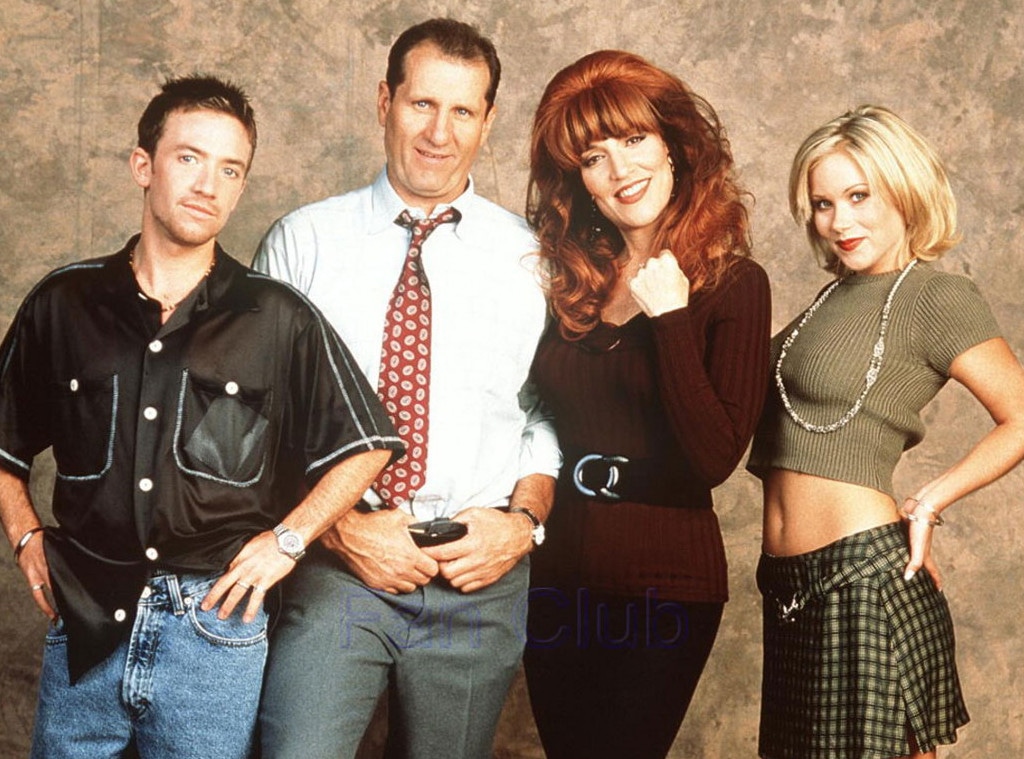
At the heart of “Married… with Children” is the Bundy family: Al, a disgruntled shoe salesman who loathes his job and reminisces about his glory days as a high school football star; Peggy, his lazy, shopping-obsessed wife; Kelly, their not-so-bright but beautiful daughter; and Bud, their scheming and socially awkward son. Together, they represent the antithesis of the traditional sitcom family.
The show took great pleasure in mocking the idea of the perfect family. While other series showcased loving, supportive households, “Married… with Children” thrived on sarcasm, insults, and outlandish behavior. Al Bundy’s constant rants about his miserable life became iconic, while Peggy’s refusal to cook or clean subverted typical housewife stereotypes.
This reversal of norms was exactly what made the show revolutionary. It offered a mirror to many viewers who felt alienated by the squeaky-clean families on other networks. By saying what other shows wouldn’t, “Married… with Children” gave voice to frustration, dysfunction, and the comic absurdity of everyday life.
Cultural Impact and Controversy
“Married… with Children” wasn’t just a hit—it was a lightning rod. Its crude humor and provocative themes drew criticism from parent groups and conservative organizations. One notorious campaign to boycott the show, led by activist Terry Rakolta, ironically boosted its popularity by attracting even more viewers.
Despite the backlash—or maybe because of it—the show remained unapologetically true to itself. It tackled topics that were rarely addressed on prime-time television at the time, such as marital dissatisfaction, sexual frustration, and economic hardship, all wrapped in satirical, over-the-top comedy.
The controversy also had a long-term effect on television. It pushed the boundaries of what was acceptable in a sitcom and paved the way for edgier shows like “The Simpsons,” “Family Guy,” and “It’s Always Sunny in Philadelphia.” Without “Married… with Children,” many of today’s most beloved comedies might never have existed.
Even in reruns, “Married… with Children” continues to find new audiences. Its fearless comedic tone and biting social commentary have kept it relevant in a world where humor has grown increasingly bold.
Characters That Became Archetypes
One of the strongest aspects of the show is its memorable character lineup. Al Bundy, played by Ed O’Neill, became the quintessential “angry dad” character—grumpy, beaten down by life, yet oddly lovable. Peggy Bundy, brought to life by Katey Sagal, was a satirical take on the suburban housewife, with her teased hair, tight clothes, and disdain for housework.
Kelly Bundy (Christina Applegate) and Bud Bundy (David Faustino) also stood out as classic teen sitcom archetypes—the attractive but clueless daughter and the desperate, scheming son. Each character was exaggerated yet strangely relatable, and their flaws were what made them endearing.
Their dynamic—constantly bickering, yet sticking together through thick and thin—made the show’s satire work. Viewers may not have wanted to live like the Bundys, but they couldn’t look away. These characters weren’t heroes; they were survivors, scraping through life one sarcastic quip at a time.
To this day, shows still borrow from the Bundy formula. That influence alone makes “Married… with Children” one of the most impactful sitcoms of its time.
Why It Still Matters Today
More than 35 years after its debut, the legacy of “Married… with Children” remains strong. While some of its humor may seem dated or politically incorrect by today’s standards, its role in reshaping the television landscape is undeniable. It broke rules, defied expectations, and showed that comedy doesn’t have to come from perfection—it can just as effectively come from chaos, disappointment, and brutal honesty.
New audiences discovering the show can still relate to the themes of economic struggle, gender roles, and family dysfunction. In a media environment now filled with anti-heroes and unconventional narratives, it’s clear that “Married… with Children” was ahead of its time.
Whether you loved it, hated it, or loved to hate it, there’s no denying that “Married… with Children” left a permanent mark on the comedy genre. It earned its place in television history not by being polished, but by being real—raw, rude, and relatable.
Conclusion: Not Just a Sitcom—A Television Milestone
In retrospect, “Married… with Children” was more than just a show about a dysfunctional family. It was a cultural statement. It challenged norms, disrupted trends, and opened the door for a new kind of television humor—one that didn’t need tidy resolutions or model citizens to be meaningful. The show’s enduring popularity in syndication, streaming platforms, and pop culture references proves its staying power.
And as audiences continue to crave authenticity and humor that speaks to life’s imperfections, it’s no surprise that “Married… with Children” still resonates. It may have been outrageous, but at its core, it was honest—and that’s why we’re still talking about it decades later.