


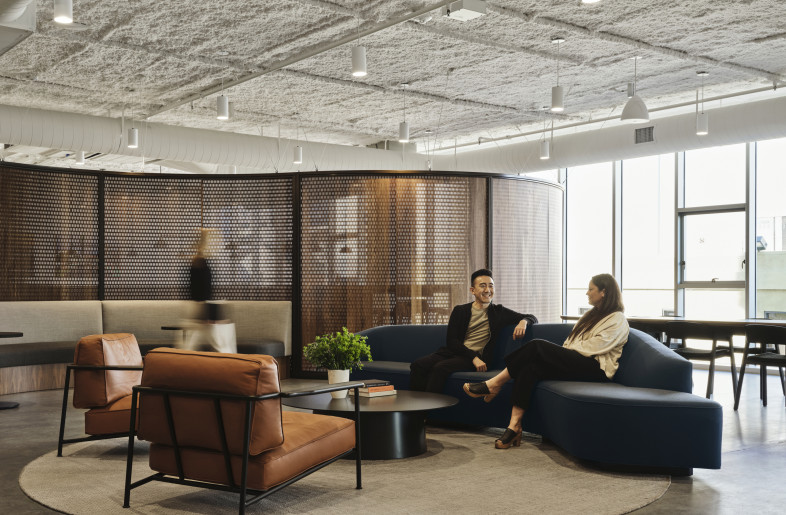
Have you ever walked into a space and felt your mood shift instantly?
Maybe it was a museum exhibit that pulled you in before you even read the first sign. Or a themed restaurant where the lighting, the sound, the layout—everything—made you forget what city you were in. I remember stepping into an immersive pop-up event a few years ago and thinking, Okay… this is different. It wasn’t just decoration. It was storytelling you could physically walk through.
And honestly, that’s when I first started paying attention to the quiet architects behind those moments—the teams who don’t just “design” spaces but craft experiences from the ground up.
We talk a lot about marketing, branding, and digital presence. But what about the physical environments where brands come alive? That’s where an entertainment design company quietly does its most impressive work.
Experience Is the New Currency
Here’s something you might not realize: people don’t remember products nearly as much as they remember how something made them feel.
We’ve moved past the era where a logo and a catchy slogan were enough. Now, brands compete on atmosphere. On immersion. On that slightly goosebump-inducing feeling when everything aligns—visuals, sound, flow, narrative.
Whether it’s a themed attraction, a retail flagship, a cruise ship entertainment space, or a large-scale public installation, experience design is no longer an afterthought. It’s the strategy.
And the companies specializing in this space don’t just think in terms of walls and lighting. They think in emotional arcs. Visitor journeys. Behavioral psychology. They ask questions like:
- Where will someone pause?
- What will catch their peripheral vision?
- When should the music swell?
- How does the layout influence movement and interaction?
It’s part architecture, part theater, part psychology. And that mix is harder to pull off than it sounds.
It’s Not Just “Theme” — It’s Narrative Engineering
A lot of people assume that entertainment-focused design is simply about aesthetics. Big screens. Bright colors. Dramatic elements.
Well, that’s the visible layer.
Underneath that surface is serious strategy. Before anything is built, there’s story mapping. Spatial choreography. Technical integration. A deep understanding of how people physically move and emotionally respond.
Think about a theme park queue line that doesn’t feel like a queue. Or a museum exhibit that subtly guides you without obvious signage. That doesn’t happen by accident. It’s deliberate design, refined through testing and iteration.
The most effective entertainment spaces don’t overwhelm. They unfold.
I once spoke to a creative director who described their work as “directing a silent film that thousands of people walk through every day.” That stuck with me. Because in many ways, that’s exactly what it is.
Why Brands Are Investing Heavily in Immersive Environments
Here’s the business side of it.
In an era where almost anything can be ordered online, physical spaces need to justify their existence. Retail stores aren’t just selling products anymore—they’re selling moments. Museums compete with streaming platforms. Resorts compete with global travel experiences broadcast daily on social media.
If a space doesn’t create something memorable, it risks becoming forgettable.
That’s why brands are increasingly turning to specialists—often an experienced entertainment design company—to elevate environments into destinations.
These firms don’t operate like traditional architects alone. They collaborate with storytellers, engineers, lighting designers, media producers, and sometimes even behavioral scientists. It’s a multidisciplinary effort because experience itself is multidimensional.
And the return on investment? It’s not just foot traffic. It’s brand loyalty. Social sharing. Emotional connection. Repeat visits.
You can’t measure that entirely on a spreadsheet—but you can see it when people linger longer than they planned to.
Technology Is Changing the Game (But It’s Not the Hero)
We can’t ignore the tech factor.
Projection mapping, interactive LED installations, augmented reality layers, responsive environments—these tools are transforming what’s possible. A wall can become a forest. A floor can ripple like water. A static sculpture can respond to movement.
But here’s the catch: technology alone doesn’t create magic.
In fact, when tech becomes the focal point, experiences often feel hollow. The most compelling environments use technology as a support system for storytelling—not as the story itself.
It’s subtle when it’s done right. You don’t walk away thinking, “Wow, that projector was impressive.” You think, “That felt incredible.”
That difference matters.
The Emotional Layer We Don’t Talk About Enough
Something I’ve noticed—especially after visiting several immersive spaces over the years—is that the best ones feel personal.
Even when thousands of people experience them daily, they still manage to create a sense of intimacy.
How?
By anticipating human behavior.
A soft lighting shift when you enter a reflective exhibit. Slightly narrower pathways that encourage slower movement. Soundscapes that fade rather than abruptly stop. These details are small, but they shape emotional response in powerful ways.
And the companies behind these spaces obsess over those details.
They test sightlines. They adjust materials based on acoustics. They rethink layouts when traffic flow doesn’t match projected patterns. It’s iterative. It’s meticulous. It’s rarely glamorous behind the scenes.
But the end result feels effortless—which is usually the sign of great design.
From Attractions to Public Spaces: The Scope Is Expanding
What’s fascinating is how this approach has moved beyond theme parks and entertainment venues.
Hospitals are rethinking patient experience through immersive design. Airports are incorporating interactive art installations. Corporate headquarters are creating narrative-driven visitor centers.
Even real estate developers now consider experiential storytelling as a core part of property value.
The lines between entertainment, architecture, and branding have blurred. And maybe that’s a good thing.
Because when spaces are designed with intention, they become more than functional. They become memorable.
The Human Element Still Leads
For all the talk about technology and strategy, there’s one thing that remains constant: people design for people.
I’ve spoken with designers who admit they sketch ideas while imagining how their own kids would react. Or how their parents would navigate a space. They ask, “Would this feel welcoming?” “Would this confuse someone?” “Would this spark curiosity?”
Those questions don’t come from algorithms. They come from empathy.
And in a world increasingly mediated by screens, physical experiences grounded in empathy feel refreshing.
You can sense when a space was designed by someone who genuinely cared.
What Does This Mean for the Future?
Honestly, I think we’re just getting started.
As audiences become more discerning, expectations will only rise. Static environments won’t satisfy for long. People want interaction. Depth. Meaning.
But here’s the hopeful part: experience design isn’t about spectacle alone. It’s about connection.
When done well, it brings strangers into a shared moment. It encourages exploration. It invites pause.
And maybe that’s what we need more of—spaces that feel intentional, not accidental.
Final Thoughts: The Quiet Craft Behind the Wow
Next time you walk into a place that makes you stop and look around—really look around—consider what went into that feeling.
The invisible planning. The narrative threads. The lighting tests. The spatial choreography.
It’s easy to take immersive environments for granted because they feel natural when you’re inside them. But they’re anything but random.
Behind those moments is usually a team of specialists thinking several steps ahead—blending architecture, storytelling, and psychology into something cohesive.
And if there’s one thing I’ve learned from watching this field evolve, it’s this:
Great spaces don’t just impress you.
They stay with you.
That’s the difference between design and experience. And it’s why the work of a truly skilled entertainment design company matters more now than ever.