


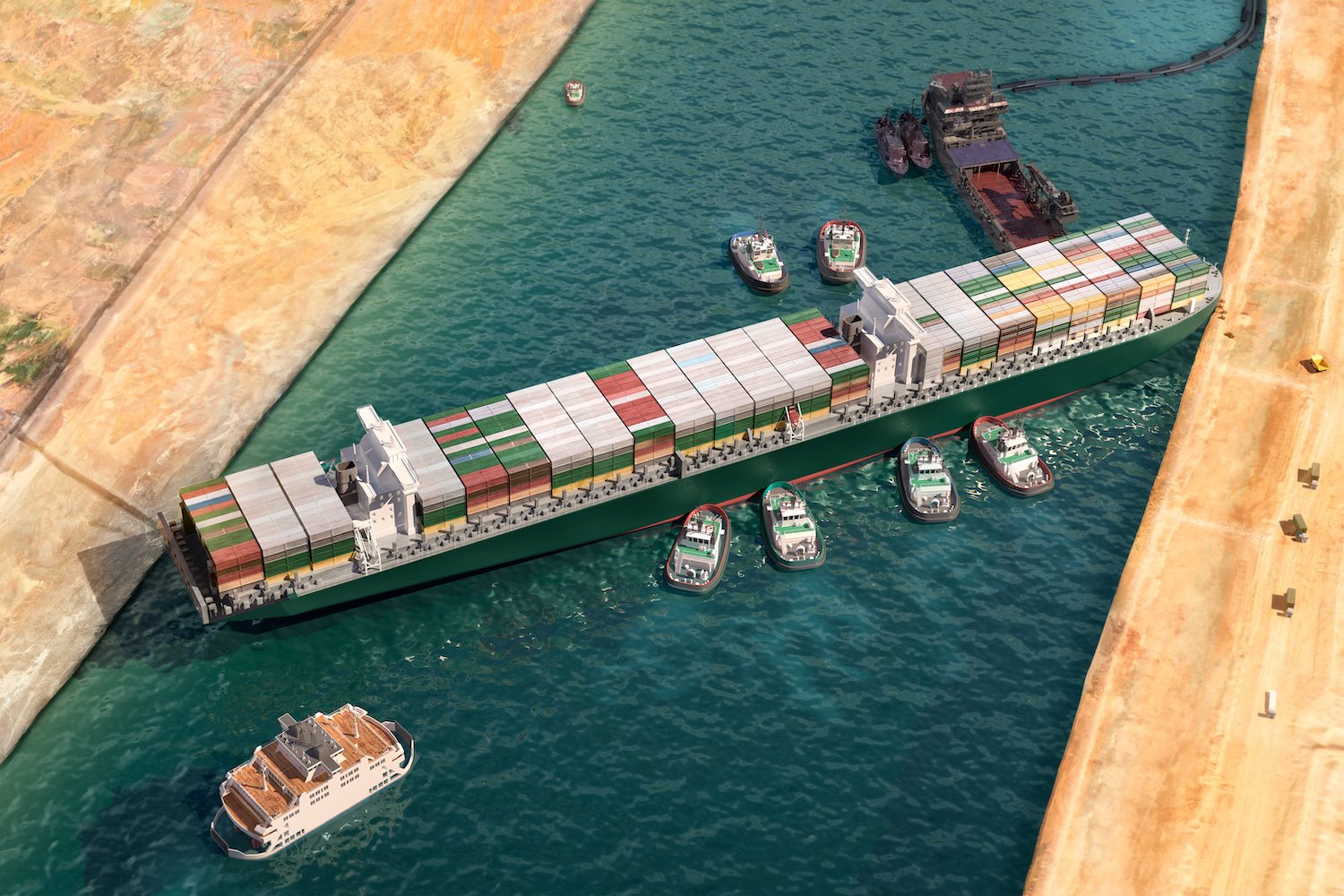
The Suez Canal is more than just a narrow stretch of water—it’s one of the most crucial maritime arteries in the world. Connecting the Mediterranean Sea with the Red Sea, the canal provides the shortest sea link between Europe and Asia. Every year, over 12% of global trade flows through this artificial waterway, carrying goods ranging from oil and gas to consumer electronics and food products. So when this vital passage is disrupted, the effects ripple across the globe.
In recent years, a recurring question has emerged among both the shipping industry and the general public: “Why does the Suez Canal keep getting blocked and what is the …” underlying cause of these events? The dramatic 2021 blockage involving the Ever Given container ship brought worldwide attention to the canal, highlighting vulnerabilities in global trade infrastructure. Since then, there have been additional disruptions—some due to mechanical issues, others environmental or geopolitical. This article explores the causes behind these incidents, their economic consequences, and what can be done to prevent future crises.
Anatomy of the Suez Canal: Strategic Importance and Physical Limitations
The Suez Canal spans approximately 120 miles across Egypt, and unlike the Panama Canal, it has no locks. This makes it quicker to pass through, but also exposes it to a number of risks. The canal is narrow—especially in older sections—and has limited space for maneuvering. While recent expansions have improved traffic flow, the infrastructure still struggles to accommodate the size and frequency of today’s mega-container ships.
Understanding why does the Suez Canal keep getting blocked and what is the … structural weakness behind these incidents requires a closer look at modern maritime logistics. Ships today are longer, wider, and taller than ever before, driven by a desire to reduce transportation costs per container. However, these enormous vessels are more difficult to steer, especially in tight, shallow waters with unpredictable winds or currents.
One of the canal’s key vulnerabilities lies in its single-lane stretches. Despite the addition of parallel channels in recent years, long portions of the canal still allow for only one-way traffic. If a vessel becomes stuck or disabled, it can immediately halt all movement in both directions. With no alternate routes of comparable efficiency, a single incident can grind international trade to a halt—costing billions in just a few days.
Recurring Causes: Human Error, Weather, and Mechanical Failures
One of the primary answers to why does the Suez Canal keep getting blocked and what is the … root cause of these disruptions involves a combination of factors—human error, environmental conditions, and aging infrastructure. The infamous Ever Given incident was attributed to high winds and poor visibility during a sandstorm, but investigations also pointed to potential pilot misjudgment and a lack of tugboat assistance.
Similarly, other ships have suffered steering malfunctions or engine failures while navigating the narrow channel. The complexity of guiding such massive vessels through a constrained space makes even minor mistakes potentially catastrophic. The challenge is further compounded by the fact that the canal lacks automated traffic control systems like those used in major airports.
Sandstorms, high winds, and poor weather conditions are frequent in the region and can drastically reduce visibility or shift vessels off course. In some cases, silt buildup at the canal’s bottom—especially in shallower segments—can cause ships to run aground. Though Egypt’s Suez Canal Authority conducts regular dredging, the volume of traffic and ship size continues to outpace infrastructure improvements.
All these issues together help explain why does the Suez Canal keep getting blocked and what is the … true complexity behind these events: it’s not a single failure, but a multifaceted convergence of human, natural, and systemic challenges.
Economic Consequences: When One Ship Stops the World
When the Suez Canal gets blocked, the economic consequences are immediate and severe. During the Ever Given crisis, over 400 vessels were delayed, global oil prices surged by 4%, and supply chains were thrown into disarray. Manufacturers experienced material shortages, retailers faced inventory delays, and shipping companies incurred millions in additional fuel and rerouting costs.
A major issue is the lack of redundancy in global trade infrastructure. The alternative route around the Cape of Good Hope adds roughly 6,000 nautical miles and up to two weeks of travel time. This makes even short-term blockages incredibly disruptive, especially in a just-in-time global economy where timing is everything.
The unpredictability of these disruptions has led companies to rethink supply chain resilience. More firms are considering diversified sourcing, increased regional production, and even “friendshoring” to reduce reliance on long-haul shipping through vulnerable chokepoints like the Suez.
Ultimately, why does the Suez Canal keep getting blocked and what is the … broader impact of these blockages is about much more than a stuck ship—it’s about exposing the fragility of a hyperconnected global trade network.
What Can Be Done: Solutions and Preventive Measures
Addressing the problem of Suez Canal blockages requires both short-term improvements and long-term strategic shifts. On the operational front, enhanced weather forecasting, mandatory tugboat assistance, and stricter piloting protocols could reduce the risk of accidents. Infrastructure upgrades—like further widening of narrow stretches—are also in progress but require years and substantial investment.
Digitization and real-time monitoring could help detect and mitigate issues faster. Remote sensing, AI-powered ship guidance, and traffic optimization systems may one day make navigation safer and more efficient.
At a broader level, governments and logistics companies must embrace redundancy. Relying solely on one critical passage is no longer sustainable. Investing in alternative routes—such as the Northern Sea Route during the Arctic summer—or boosting rail and overland freight networks could provide vital backups during maritime disruptions.