


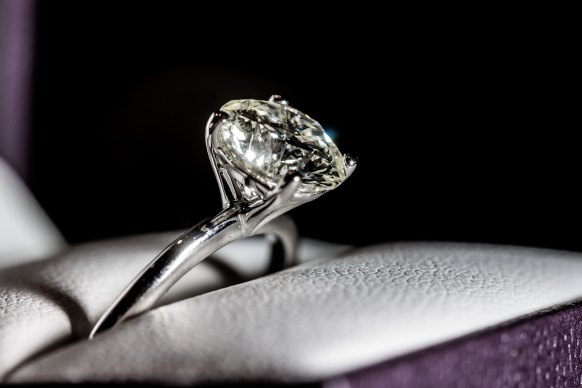
The diamond industry has long been shadowed by the controversy surrounding blood diamonds—also known as conflict diamonds—that have caused devastating social and ethical concerns worldwide. In response to these issues, many consumers and jewelers are turning to lab grown diamonds as a responsible alternative. Understanding the difference between blood diamonds and lab grown diamonds can help you make an informed and conscientious choice when purchasing diamond jewelry.
What Are Blood Diamonds?
Blood diamonds are diamonds mined in war zones and sold to finance armed conflict against governments. These diamonds often fuel violence, human rights abuses, and exploitation of vulnerable communities. The profits from these conflict diamonds have funded civil wars, prolonged conflicts, and resulted in severe humanitarian crises.
The term “blood diamond” gained widespread attention in the late 1990s and early 2000s, leading to international efforts to regulate the diamond trade. Despite regulations like the Kimberley Process Certification Scheme, concerns about the circulation of blood diamonds persist in some regions.
The Social Impact of Blood Diamonds
The extraction of blood diamonds is linked to horrific human suffering. Miners—often including children—work in dangerous conditions with little pay, while rebel groups use diamond revenues to purchase weapons and sustain violence. The profits rarely benefit local communities or promote development.
For many consumers today, knowing their diamond’s provenance is vital. The desire to avoid supporting unethical practices has made lab grown diamonds increasingly attractive as a transparent, conflict-free option.
What Are Lab Grown Diamonds?
Lab grown diamonds are created in controlled laboratory environments using cutting-edge technology that replicates natural diamond formation. These diamonds have the same physical, chemical, and optical properties as mined diamonds but come without the ethical and environmental concerns associated with mining.
Unlike blood diamonds, lab grown diamonds offer peace of mind by guaranteeing that the diamond has not been involved in conflict or exploitation. They represent a growing segment of the jewelry market focused on sustainability and responsibility.
Ethical Advantages of Lab Grown Diamonds
One of the strongest appeals of lab grown diamonds is their ethical advantage. Because they are produced in labs, their origin is fully traceable, eliminating any risk of association with conflicts or human rights abuses linked to blood diamonds.
Additionally, lab grown diamonds significantly reduce the environmental impact compared to traditional mining, which often causes habitat destruction, soil erosion, and pollution.
By choosing lab grown diamonds, buyers can enjoy beautiful, high-quality gemstones while supporting ethical practices and sustainable innovation.
Quality and Beauty: Lab Grown Diamonds vs Blood Diamonds
When comparing lab grown diamonds to blood diamonds, it’s important to note that quality and appearance are not compromised. Lab grown diamonds possess the same brilliance, hardness, and sparkle as natural diamonds.
Technological advances have made lab grown diamonds indistinguishable from mined diamonds to the naked eye. Both can be cut and polished to perfection, but lab grown diamonds come with the added assurance of ethical sourcing, unlike blood diamonds, which carry a dark history.
How to Avoid Blood Diamonds When Buying Diamonds
To avoid purchasing blood diamonds, consumers should always ask for certification from reputable organizations like the Kimberley Process or independent gemological labs. However, certification alone is not always foolproof, which is why many buyers prefer lab grown diamonds to eliminate any doubt.
Choosing lab grown diamonds guarantees a conflict-free purchase, backed by science and transparent supply chains. This makes lab grown diamonds an ideal choice for ethical consumers, especially when purchasing engagement rings or significant jewelry pieces.
The Future of Diamonds: Lab Grown Diamonds Leading the Way
The diamond industry is evolving rapidly, with increasing demand for ethical and sustainable alternatives. Lab grown diamonds are at the forefront of this shift, offering consumers an opportunity to make a positive impact through their purchases.
While efforts to eradicate blood diamonds continue, lab grown diamonds provide a practical and beautiful solution for those who want to enjoy fine jewelry without compromising on their values.
Conclusion: Making a Responsible Diamond Choice
The stark contrast between blood diamonds and lab grown diamonds highlights the importance of ethical sourcing in today’s diamond market. While blood diamonds have a history of fueling conflict and suffering, lab grown diamonds offer a transparent, cruelty-free alternative that meets the highest standards of quality and beauty.
For buyers who want to celebrate love and milestones responsibly, lab grown diamonds represent the future of conscious luxury—beautiful, ethical, and sustainable.